The Walks Taken

IMG_2169

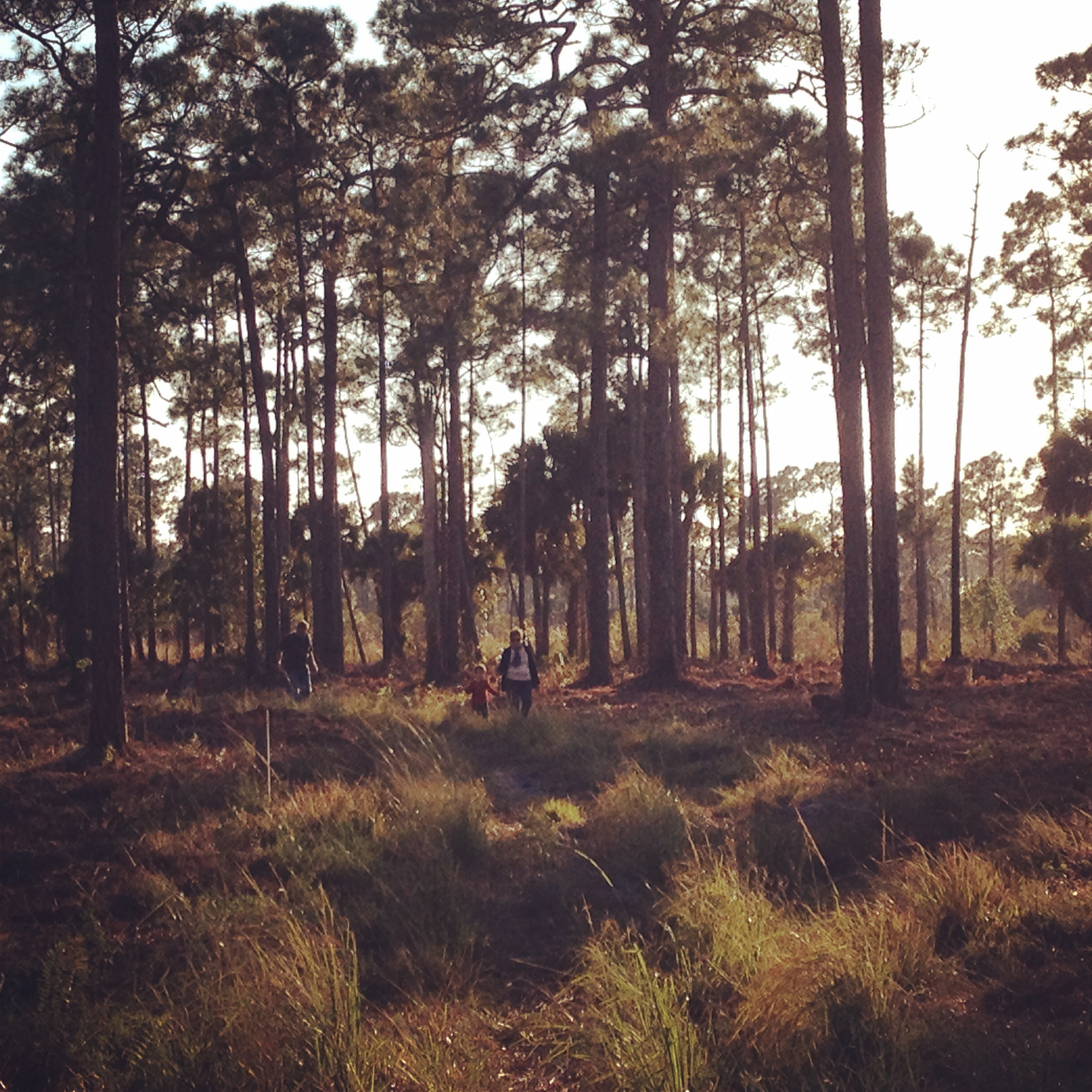
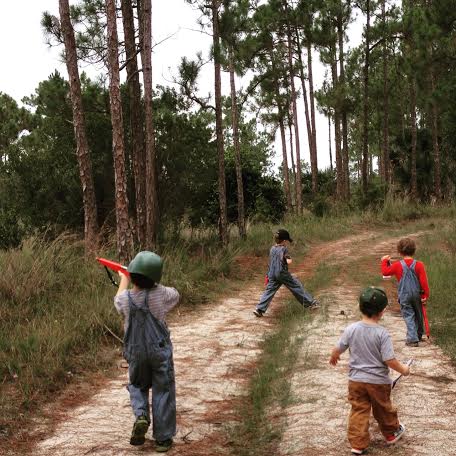
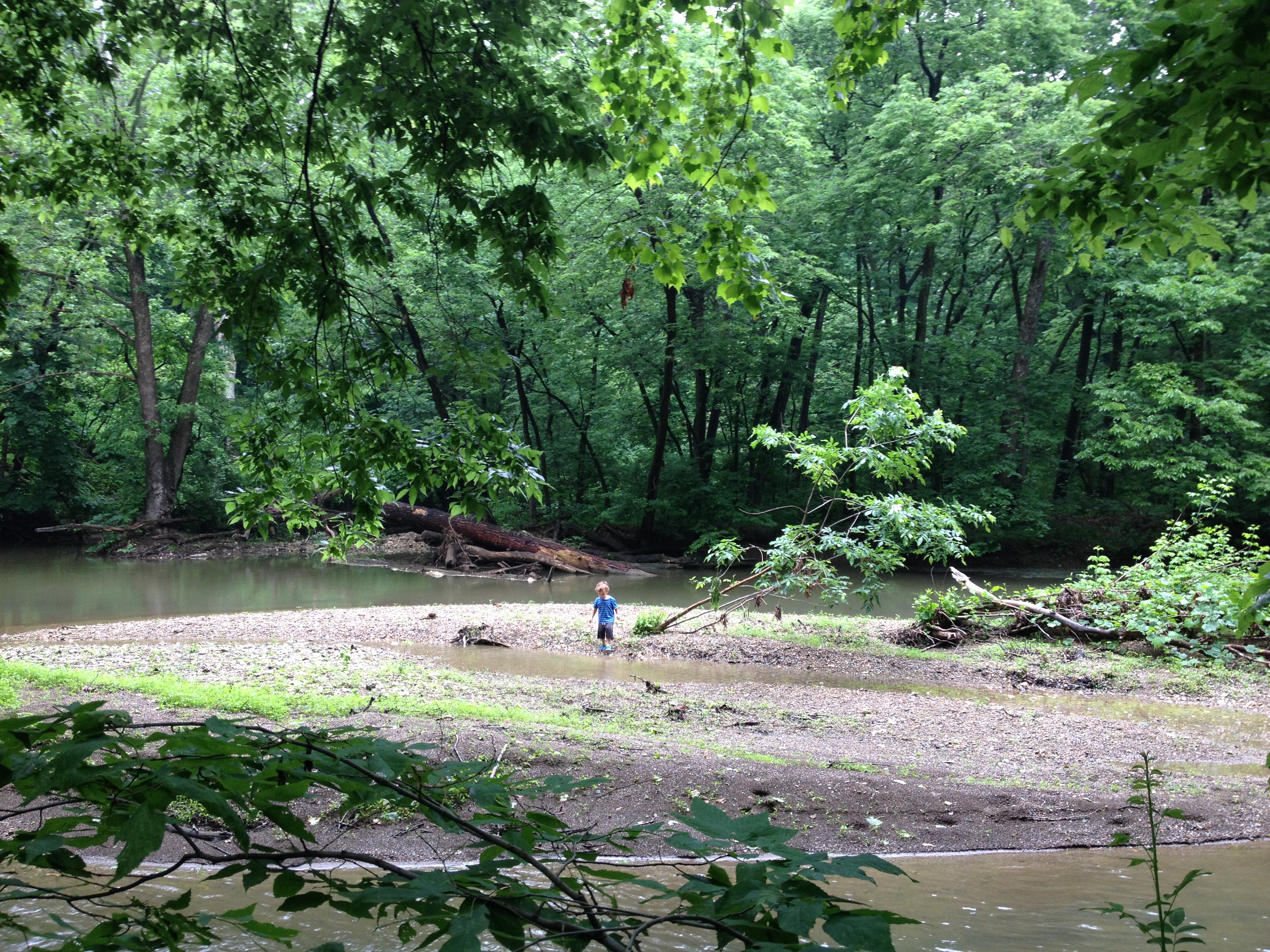
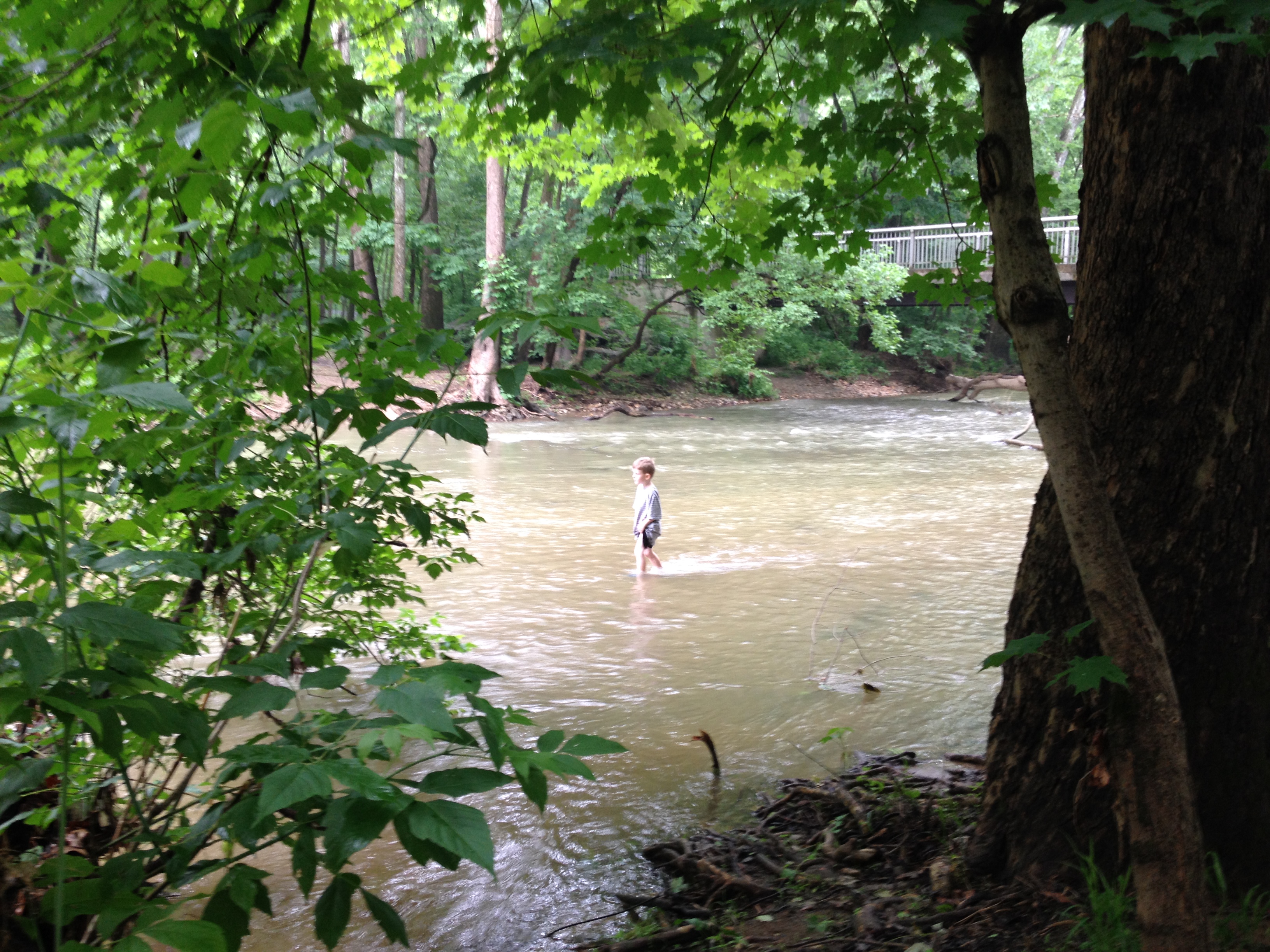
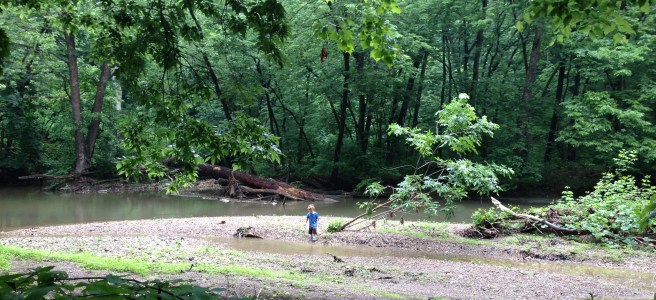
Our best moments of learning have oftentimes occurred in a forest.

If we can find a quiet wood to walk, then we have found a treasure.

IMG_3967

Nothing keeps children engaged in learning quite like ditching the books and fleeing into the trees.
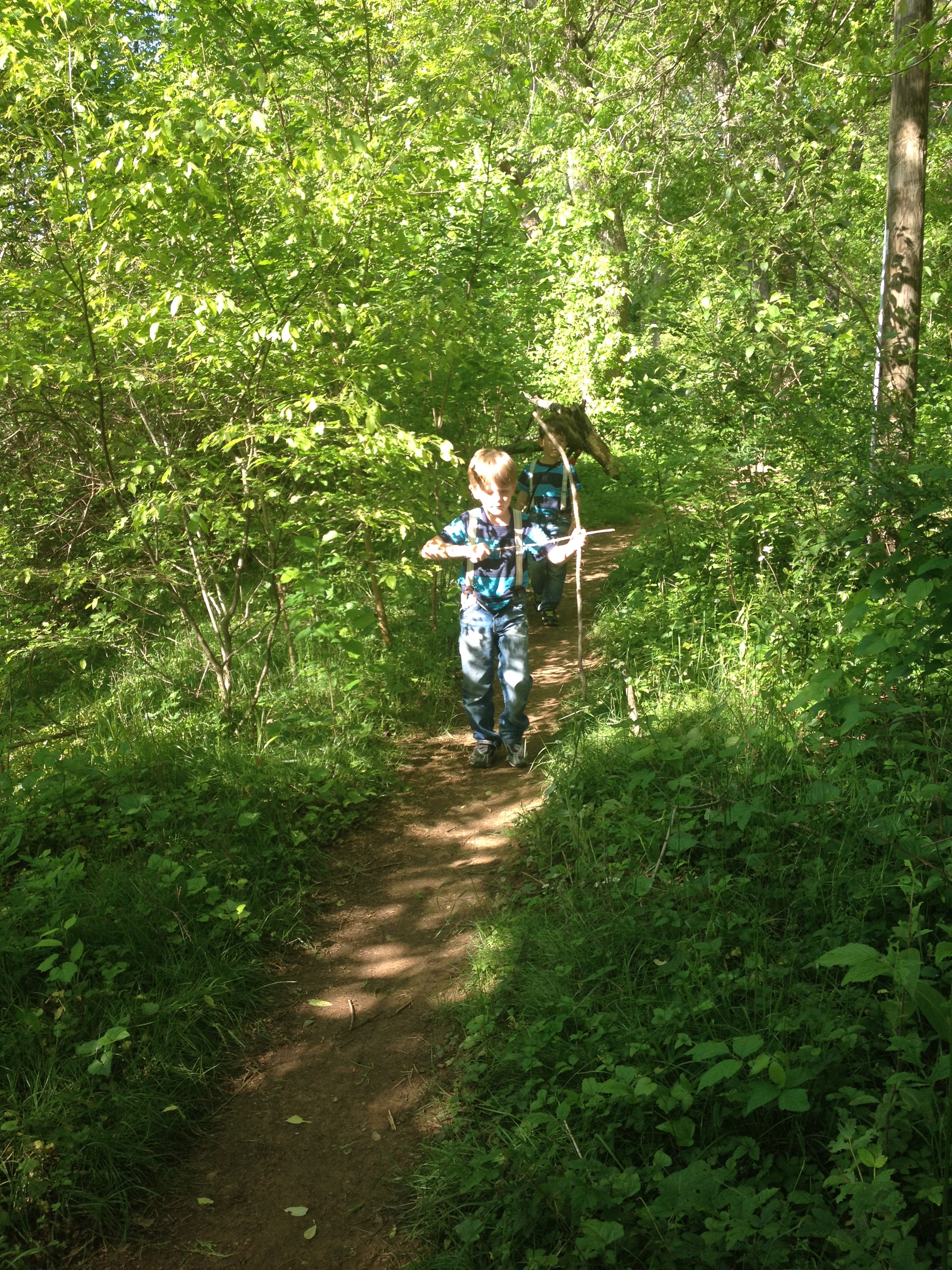
We skip count as we march. We find new leaves to press into our nature journals. We figure out which direction we are traveling in.  I will ask my children: Where is the nearest body of water? Where is the best climbing tree? Can we find three different kinds of homes?  Recall our last walk in the woods and describe what happened?

IMG_3898

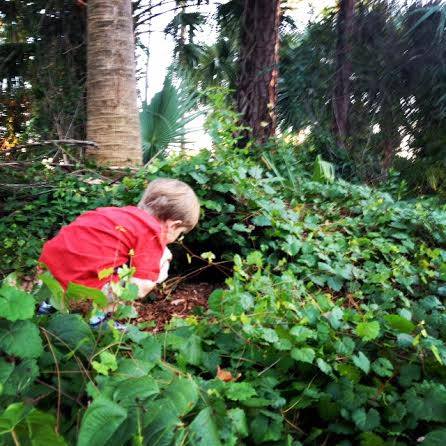
Burrows, nests and hollows.

Shells, rocks and tiny fossils.

Strips of birch, pine needles and acorns.

Pockets never return home empty.

IMG_0620

Anything can happen when your classroom has no walls.

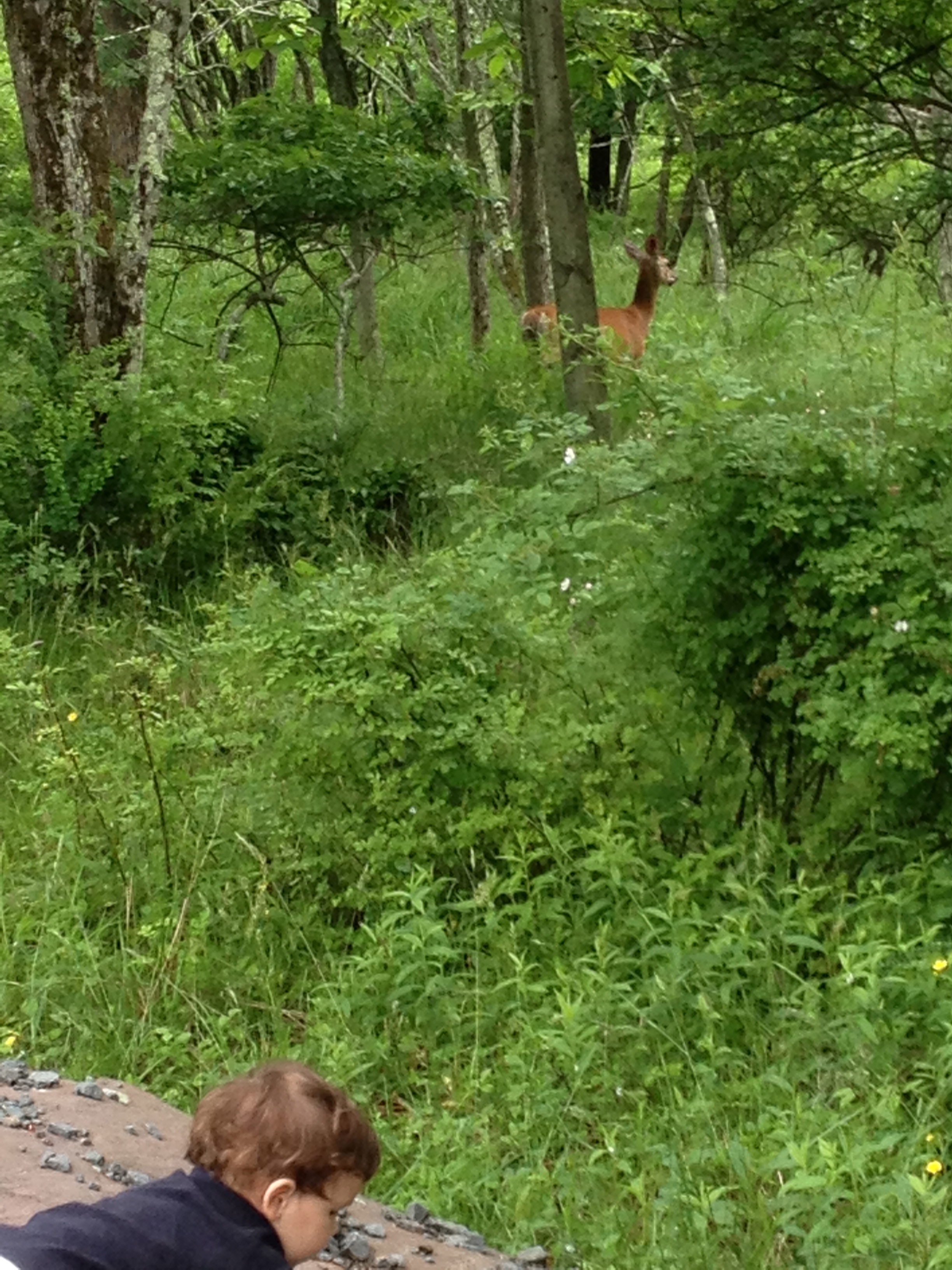
We try and find a spot to sit still. We stay put for several long minutes and wait to see what happens. Just when we think nothing will change, different birds fly into view, squirrels dash out from previously unseen hiding spots, flowers that had escaped our notice before are now blazing in full view. We might pull out a field guide and try to identify things around us. We might tell stories while we fletch tiny arrows.

unnamed-4

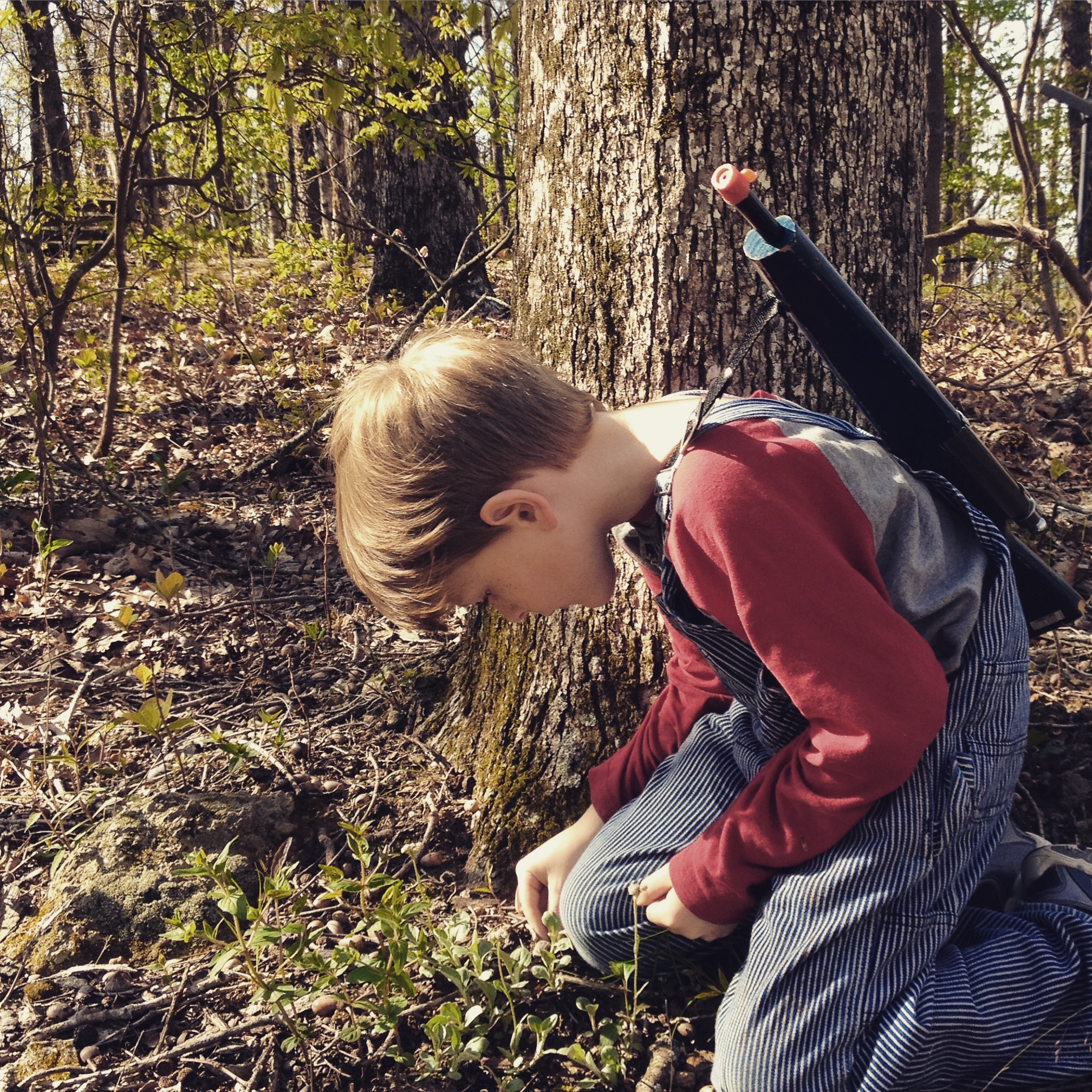
There are days when the boys sling rifles across their backs and we march through the woods, seeking out the Green Mountain Boys or the Continental Marines.

Oftentimes there is no plan and I find that those are the best days. When the boys can ramble in the woods free of lessons plans and the word “no.”

IMG_0521

Take an unplanned walk in the woods. Pull over and visit that nature preserve you always pass by.

If you feel the weight of all the curriculum you have amassed pressing down on you–do yourself a grand favor and heave it to the side.

Take your little one by the hand and make for the trees!

They will not remember the elaborate handouts.

They will remember the walks taken.

 IMG_0503

Homeschool Booklist

A list of books (with links) to my favorite Homeschool Life reads of all time!

These books range from peacekeeping to philosophy of education to child rearing.

Parenting/Family
Peacemaking for Families by Ken Sande & Tom Raabe
The Peacemaker: A Biblical Guide to Resolving Personal Conflict by Ken Sande
Practicing Affirmation: God-centered Praise of Those Who Are Not God by Sam Crabtree
Loving the Little Years: Motherhood in the Trenches by Rachel Jankovic
The Heart of Anger by Lou Priolo
Do Hard Things by Alek and Brett Harris
Raising a Modern Day Knight by Robert Lewis
Training Hearts Teaching Minds by Starr Meade
Give Them Grace:Dazzling them with the Love of Jesus by Elyse M. Fitzpatrick
Grace Based Parenting by Dr. Tim Kimmel
Teach Them Diligently by Lou Priolo
Laying the Rails from Simply Charlotte Mason

Homeschool Family Help/Life Help
Mere Motherhood by Cindy Rollins
Help for the Harried Homeschooler by Christine Field
Time Management for Unmanageable People by Ann Cooper
No Ordinary Home: The Uncommon Art of Christ-centered Homemaking by Carol Brazo
The Shaping of a Christian Family: How My Parents Nurtured My Faith by Elizabeth Elliot
Beyond Survival:Guide to Abundant Life Homeschooling by Diana Waring
Margins: Restoring Emotional, Physical, Financial and Time Reserves to Overloaded Lives by Richard Swenson
Contentment: The Secret to Lasting Calm by Richard Swenson
For the Family’s Sake by Susan Schaeffer Macauley

Homeschool Guides/Philosphy of Education
Teaching from Rest: A Homeschooler’s Guide to Unshakeable Peace by Sarah Mackenzie
For the Children’s Sake by Susan Schaeffer Macauley
Charlotte Mason Companion by Karen Andreola
Ten Ways to Destroy the Imagination of Your Child by Anthony Esolen
Death by Living by N.D. Wilson
Simply Classical: A Beautiful Education for Any Child by Cheryl Swope
The Well Trained Mind: A Guide to Classical Education at Home by Jesse Wise and Susan Wise Bauer
The Core: Teaching Your Child the Foundations of Classical Education by Leigh Bortins
The Educated Child by William J Bennet
A Mind at a Time by Mel Levine
The Ultimate Guide to Homeschooling by Debra Bell
Educating the Whole Hearted Child by Clay & Sally Carkson
The Homegrown Preschooler by Kathy Lee & Lesli Richards
Saving Leonardo: A Call to Resist the Secular Assault on Mind, Morals and Meaning by Nancy Pearcy ** All her titles are exceptional.

Stay tuned for more book lists!

Daily Rhythm

One of the first questions fellow homeschool Mamas ask me?

“What is your homeschool schedule like?”

10568952_797823380268_2397617869643065286_n

It is a common misconception that homeschoolers are stuck at home with nothing to do all day. Unless you live in a very remote area, the opposite is true! There are so many programs, co-ops, classes, lessons, groups, etc. Truly, the mind boggles! Every spring I am inundated with emails, flyers, messages packed with information. Summer camps and science programs. Athletic organizations and music academies. Your schedule starts to feel like a vise around your head before you’ve even committed to anything. Mommy guilt stampedes through your brain, demanding your compliance in sacrificing every free evening upon the altar of team sports for four year olds. Saying “no” on behalf of your family is somehow equated to denying your sweet child the best learning opportunities.
10404139_825466193848_3347640972871458358_n

A number of years ago, Ann Voskamp wrote up a lovely post about the seven phases of her family’s day. It has provided a purposeful, meaty framework for our schedule.

The Seven Rungs
1. Listening: A Way of the Spirit
2. Love: A Way of Sacrificing (The heart of everything we do)
3. Labor: A Way of Serving
4. Loveliness: A Way of Seeing
5. Literature: A Way of Seeking
6. Language: A Way of Speaking
7. Logic: A Way of Scaffolding

We then applied our own homeschool rhythm. I teach my children in blocks of time, which is a concept I picked up from Leigh Bortins of Classical Conversations.

If maths start at 1pm, the children have one hour to complete their work, if it only takes 15 minutes then they have the rest of the hour to play. If it takes 30 minutes then they will have the remaining 30 minutes to play. Each hour of our school day is blocked off in this way.

I find this method especially successful for our four rowdy boys.

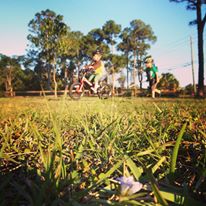
They engage with a subject and are then released to refresh and renew. Quite often, their play is focused around what they just learned. This is particularly true of history and science… Lewis and Clark move their expedition outside. Nature notebooks are not taken inside but remain in the backyard to acquire more colored bark impressions. They have the choice to continue to enjoy what they are learning about or break from a frustrating challenge and unwind with a long bike ride or a bit of archery.
11021048_818500348458_6828425366774892214_n

We have meshed the rungs and our block schedule to create a daily schedule that allows for LIFE and flexibility in our family.

Here is a sample schedule for the older children (second grade) in our home:

Wake up! Stretch! Breakfast!
8AM Listening: A Way of the Spirit
Devotionals , Memory Work, Family Meeting and Prayer Requests
8:30AM Love: A Way of Sacrificing
Find a way to serve someone in the family/Send notes of encouragement to members of our community.
9AM Loveliness: A Way of Seeing
Art, Music, Handicrafts, Review Core Memory/ Free Play upon completion
10AM Literature: A Way of Seeking
History, Bible/Free Play upon completion
11AM Lunch & Literature
Read books aloud while we eat/Free Play

1PM Language: A Way of Speaking
Phonics, Grammar, Copywork, Writing, Foreign Language Study/Free Play upon completion.
2PM Logic: A Way of Scaffolding
Math, Science/ Free Play Upon Completion.
2PM-4PM Occasional remedial work/Music Practice/Free Time
4PM Labor: A Way of Sacrificing
Blessing Hour
5PM-8PM Family Dinner/ Read Alouds

For Further Clarification:

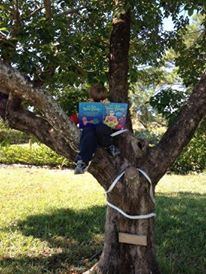
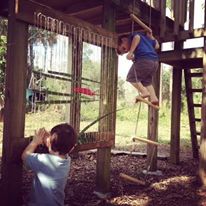
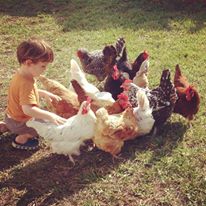
*Free time can mean anything on the farm. Reading books up in trees, shepherding the chickens through the back hollow, bike races, or playing in the mud pit. The boys are in charge of their own free play. As long as they don’t kill anything or set any fires, its pretty much a go.

*We taper in seasonal activities as needed and try to adhere to the rungs as much as possible on those days. The heart of our schedule is our rhythm. The boys like knowing the purpose of each hour. It teaches them to try and live their days well. It helps me remember
that my time with them as small children is fleeting.
10309564_753754674308_9150743830913054734_n

We have learned the art of saying “no” in open-ended ways. “Right now, this is not a good fit for our family.” Things might change, we could be up for it some other time, we aren’t slamming the door in your face but “right now” is not the time.
1503255_793698741078_1558814935352485454_n

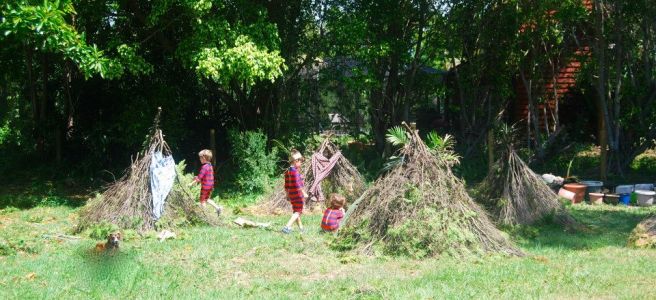
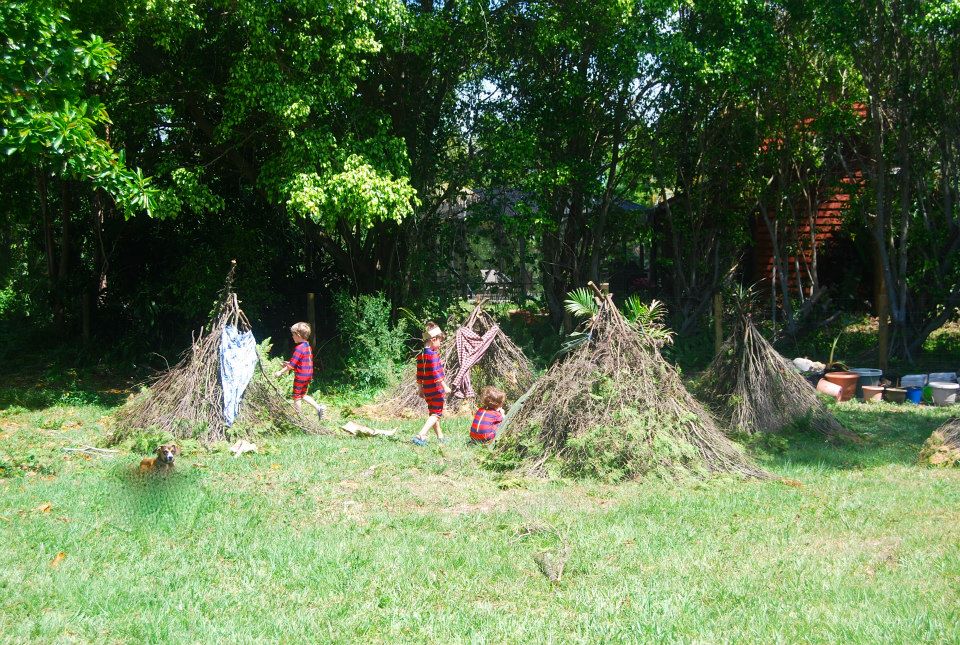
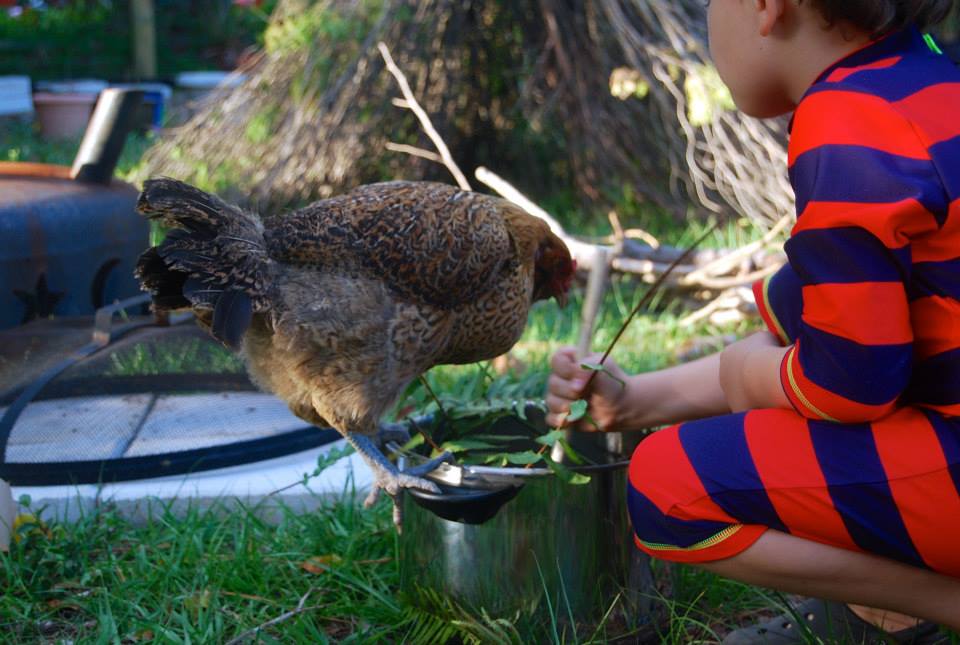
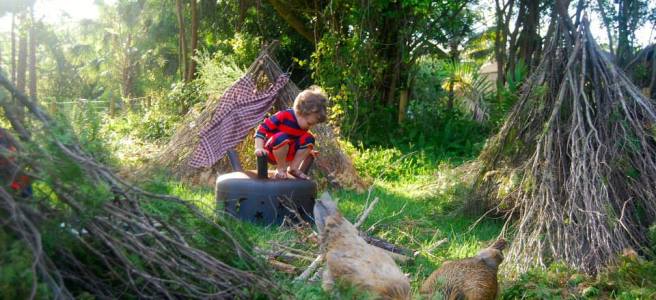
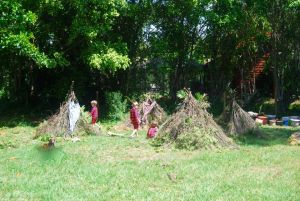
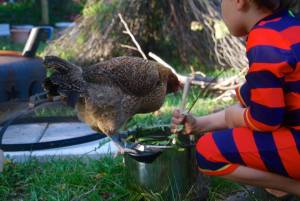
We have also embraced the “YES.” Yes to reserving time for jumping in mud puddles and reading favorite stories over and over. Yes to collecting a million sticks for the sole purpose of building teepees for our chickens to play in. Yes to valuing our children’s time! Their season is so sweet and so very short. Yes, lets read another book! Yes, lets have a sword fight! Yes, lets climb that tree. What we say YES to is just as important as what we say NO to.
10289930_753816285838_7126998444726975207_n

Do you value your time? Does your schedule reflect that? What is important to you? Family meal time? Tucking your child in at night? Are the activities you are involved in adding joy and learning or stress and fatigue? Plow through the hard questions you need to ask yourself and wipe the slate clean if need be!

The WHY

We only experience childhood once.

1561106_841007024898_2887365657950436297_n

At first, I chose to keep my children at home because I wanted their childhood to be protected and enjoyed to the fullest.

I wanted their world to be filled with dirt and sunshine and books.

We chose to homeschool.

This is the path we have set upon to help one another seek God.

10915279_820075911018_1848104050298760662_n

Their spiritual inclination, the shaping of their character, the passion in their hearts, over time these elements have risen to the top of the list of why we homeschool.

The acknowledgment of my own personal limitations and abysmal failings has also heightened over time.

11041768_818500069018_3506911816524175328_n

There is no earthly way my children can learn every piece of information out there.

I can not teach it all.

They can not learn it all.

After accepting that bit of truth, our homeschool style began its never ending metamorphosis. We constantly change. We have learned to forage, evaluating what stays and what goes. Discovering what remains true, good and beautiful for our children to engage with.

We are a home that strives to cultivate wonder, not entertainment.

10404279_818500193768_3553229702981825360_n
We engage slowly, playing skillfully in these tender early years and savoring the gift of discovery.

10991252_815181833788_5161386146884013680_n-1

This past May I had the privilege of attending a few seminars given by Sonya Schafer of Simply Charlotte Mason. She was easily one of the best speakers at the FPEA Convention.  She touched upon a topic close to my heart: Which question do we ask when we want to know if our children are learning well? She posed two questions to consider. The first, “Is my child learning enough?” and the second, “Who is my child becoming and what does he care about?”

I am committed to the latter question because I am not interested in creating tiny humanoid google search engines.

I am passionate about who my children are becoming in Christ.

My daily child-centered energies are focused on loving my children well, gathering knowledge that forms who they will become, sharing stories and ideas that will shape who they are today and above all, pouring the Biblical foundation upon which they will stand.

I am teaching my children to feed themselves from Scripture.

I am training them to have a sharp eye for truth and beauty.

I am gifting them with time to explore and wonder and create and grow.

Those are the standards I try to flesh out each day in spite of my sinful nature and my, at times, frail standards which waver on days when the laundry has accumulated to an exceptionally horrid degree.

If homeschooling has taught me anything it is humility and flexibility.

Our homeschool is a hodgepodge of curriculums and ideas. A Year of Playing Skillfully, Simply Charlotte Mason, Ambelside Online, My Father’s World and Classical Conversations. We learn through beautiful books and puddles and farm chores. Life is messy and chaotic on this farm packed with four kids, eleven hens, three turkeys and an overly confident west highland terrier. We yell at each other more than we should. We often choose selfishness in the moments when we should choose selflessness. I am never, ever caught up on laundry. Yet we have fallen into grace and will remain there until He comes to make all things new.

Welcome to Farmhouse Schoolhouse.
10407472_821494183788_2726922143200852810_n